What Is a Heavy Oil Boiler?
date: 2026-05-12
Page preview:
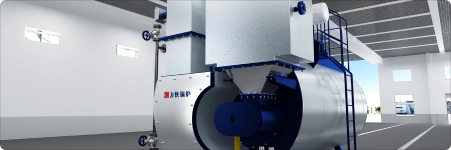
A heavy oil boiler is an industrial boiler that uses heavy fuel oil as the main fuel to produce steam or hot water. Compared with light oil, heavy oil has higher viscosity, higher density, and usually contains more sulfur, ash, water, and other impurities. Because of this, a heavy oil boiler normally needs fuel heating, filtration, stable oil supply, proper atomization, and sometimes desulfurization or denitrification equipment.
Heavy oil boilers are mainly used in factories with continuous steam demand, especially in regions where natural gas is unavailable or where heavy fuel oil has a lower local cost. Common applications include chemical plants, textile mills, food processing, rubber, paper mills, building materials, and other industrial production lines.
1. What Fuel Does a Heavy Oil Boiler Use?
A heavy oil boiler uses heavy fuel oil, also known as HFO. This fuel is thicker and less volatile than light diesel oil. At normal temperature, some heavy oil may not flow smoothly, so it often needs to be heated before it can be pumped and atomized by the burner.
The main fuel properties that affect boiler design include:
| Fuel Parameter |
Why It Matters |
| Viscosity |
Determines whether the oil needs heating before combustion |
| Sulfur content |
Affects corrosion risk and desulfurization requirements |
| Water content |
May cause unstable combustion or flame failure |
| Ash content |
May increase deposits on heating surfaces |
| Calorific value |
Affects fuel consumption and boiler efficiency |
For this reason, a fuel analysis report is very important before selecting a heavy oil boiler.
2. Heavy Oil Boiler vs Light Oil Boiler: What Is the Difference?
The biggest difference is not only the fuel itself, but also the supporting system.
| Item |
Heavy Oil Boiler |
Light Oil Boiler |
| Fuel |
Heavy fuel oil |
Diesel / light oil |
| Fuel condition |
Thick, higher viscosity |
Cleaner, easier to flow |
| Fuel system |
Usually needs heating, filtering, and stable pressure control |
Simpler fuel supply system |
| Combustion |
Requires better atomization control |
Easier to ignite and burn |
| Emission treatment |
May need desulfurization, denitrification, or dust control |
Usually easier to meet emission requirements |
| Maintenance |
More attention to carbon deposits, coking, and corrosion |
Lower maintenance complexity |
Heavy oil may contain more sulfur and impurities. During combustion, these components may produce SOx, NOx, smoke, acidic condensate, and ash deposits. Therefore, heavy oil boiler projects often need extra systems such as fuel preheaters, filters, oil pumps, suitable heavy oil burners, desulfurization equipment, denitrification systems, and proper chimney design.
3. What Is the Fuel Cost per Ton of Steam for a Heavy Oil Boiler?
The fuel cost of a heavy oil boiler mainly depends on heavy oil price, fuel calorific value, boiler efficiency, steam pressure, and feedwater temperature.
For most industrial heavy oil steam boilers, a practical reference is:
1 ton of steam usually consumes about 70–85 kg of heavy fuel oil.
If the heavy oil price is calculated by ton, the fuel cost per ton of steam can be estimated as:
Fuel cost per ton of steam = heavy oil consumption × heavy oil unit price
| Heavy Oil Price |
Estimated Oil Consumption |
Fuel Cost per Ton of Steam |
| $400/ton |
70–85 kg |
$28–34 |
| $500/ton |
70–85 kg |
$35–42.5 |
| $600/ton |
70–85 kg |
$42–51 |
| $700/ton |
70–85 kg |
$49–59.5 |
For example, if the heavy oil price is $500/ton and the boiler consumes about 75 kg of heavy oil per ton of steam, then:
75 kg × $0.5/kg = $37.5 per ton of steam
However, this is only the direct fuel cost. A heavy oil boiler may also have additional operating costs, including oil preheating, fuel filtration, burner maintenance, ash or carbon deposit cleaning, desulfurization, denitrification, and flue gas treatment.
So when comparing heavy oil with light oil or natural gas, the factory should not only compare fuel price. It should calculate the complete steam cost, including fuel consumption, maintenance, emission treatment, and local environmental compliance cost.
4. Where Are Heavy Oil Boilers Used?
Heavy oil boilers are suitable for industrial plants that need stable and continuous steam or hot water. Typical applications include:
Chemical production: reactor heating, distillation, drying, and process heating.
Textile and dyeing: dyeing, washing, drying, and finishing processes.
Food processing: cooking, sterilization, drying, and cleaning.
Paper mills: drying cylinders, pulping, and process steam.
Rubber and building materials: vulcanization, heating, curing, and drying.
Industrial heating projects: central steam supply or hot water heating.
They are especially suitable for areas where natural gas supply is limited, but heavy fuel oil is easy to obtain.
5. How to Choose a Heavy Oil Boiler?
When choosing a heavy oil boiler, the first step is to confirm the steam demand and fuel condition.
You should provide:
Boiler type: steam boiler or hot water boiler;
Capacity: for example, 2 TPH, 6 TPH, 10 TPH, or larger;
Working pressure and steam temperature;
Fuel analysis report;
Daily operating hours;
Local emission standard;
Application industry and steam-using process.
For FangKuai heavy oil boiler projects, I recommend confirming the fuel analysis first. The viscosity, sulfur content, water content, ash content, and calorific value will directly affect the burner model, fuel heating system, boiler structure, safety control, and flue gas treatment design.
Conclusion
A heavy oil boiler is an industrial boiler designed to burn heavy fuel oil for steam or hot water production. It can reduce fuel cost in some regions, but compared with a light oil boiler, it requires more careful fuel treatment, combustion control, maintenance, and emission design.